Seeing one tree turn yellow, orange, or red while the rest of the yard is still green can be surprising. In some cases, it is completely normal. Different tree species follow different seasonal schedules, and some naturally begin showing fall color earlier than others.
However, early color change can also be a tree’s response to stress. Hot, dry weather, poor soil conditions, root damage, insects, disease, and other problems can cause a tree to stop supporting its leaves earlier than expected. Knowing what else to look for can help you decide whether your tree is simply entering fall early or may need professional attention.
Why Do Trees Change Color Early?
Trees may change color early because of their species, cooler nights, shorter daylight hours, or stress from drought, root problems, pests, or disease. Early fall color is often normal when the tree otherwise looks healthy. If it comes with rapid leaf drop, thinning branches, dead limbs, or unusual leaf spotting, the tree may need an evaluation.
Normal Reasons Trees Change Color at Different Times
Fall color does not happen on the same day for every tree. Even trees growing close together may begin changing at different times.
Each species has its own natural growth cycle. Some trees are programmed to respond to shortening days and cooling temperatures earlier than others. A tree that turns color early every year and continues to look healthy may simply be following its normal pattern.
Individual trees of the same species can also vary. Age, sun exposure, soil moisture, and growing conditions all affect how a tree responds to the season.
Shorter Days and Cooler Nights Trigger Fall Color
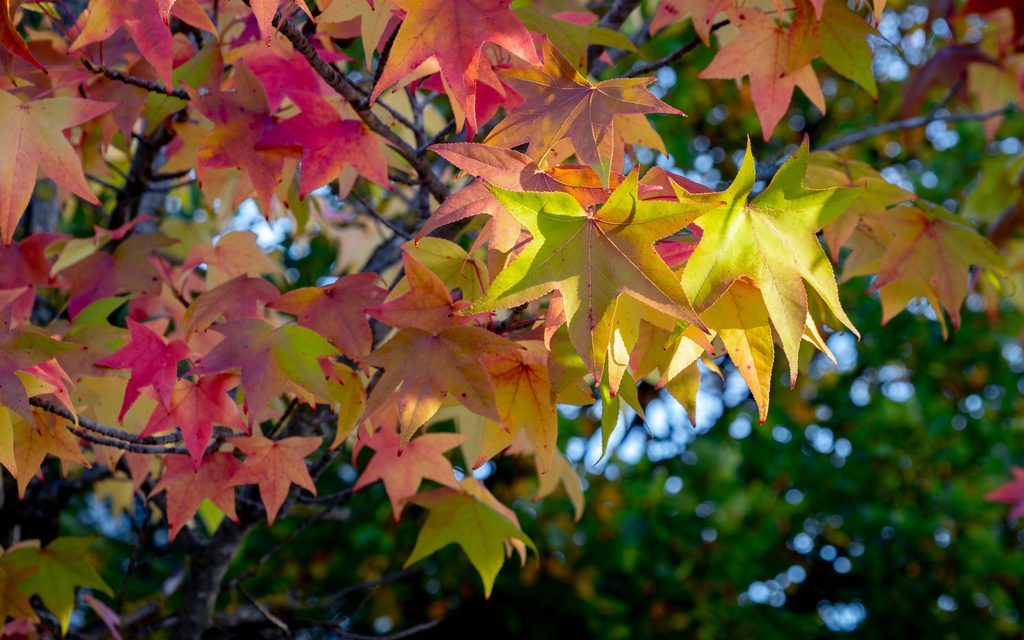
As daylight decreases, trees begin preparing for winter dormancy. Chlorophyll, the green pigment in leaves, breaks down and allows yellow, orange, and red pigments to become more visible.
Cool nights can make this change more noticeable, especially when days remain mild and sunny. This type of color change is usually gradual and appears across much of the canopy rather than only on scattered branches.
When Early Fall Color May Signal Tree Stress
A tree under stress may change color early because it is trying to conserve water and energy. Early leaf color is not a diagnosis by itself, but it can be an important clue when it appears with other symptoms.
Summer Heat and Drought Stress
Extended heat and dry soil can make it difficult for roots to supply enough water to the canopy. In response, a tree may yellow, brown at the leaf edges, develop scorched-looking leaves, or drop leaves early. This is common after periods of hot, dry weather. Even established trees can struggle when dry conditions last for several weeks, especially if they are growing in compacted soil or competing with turf and nearby plants for moisture.
Root Damage and Poor Soil Conditions
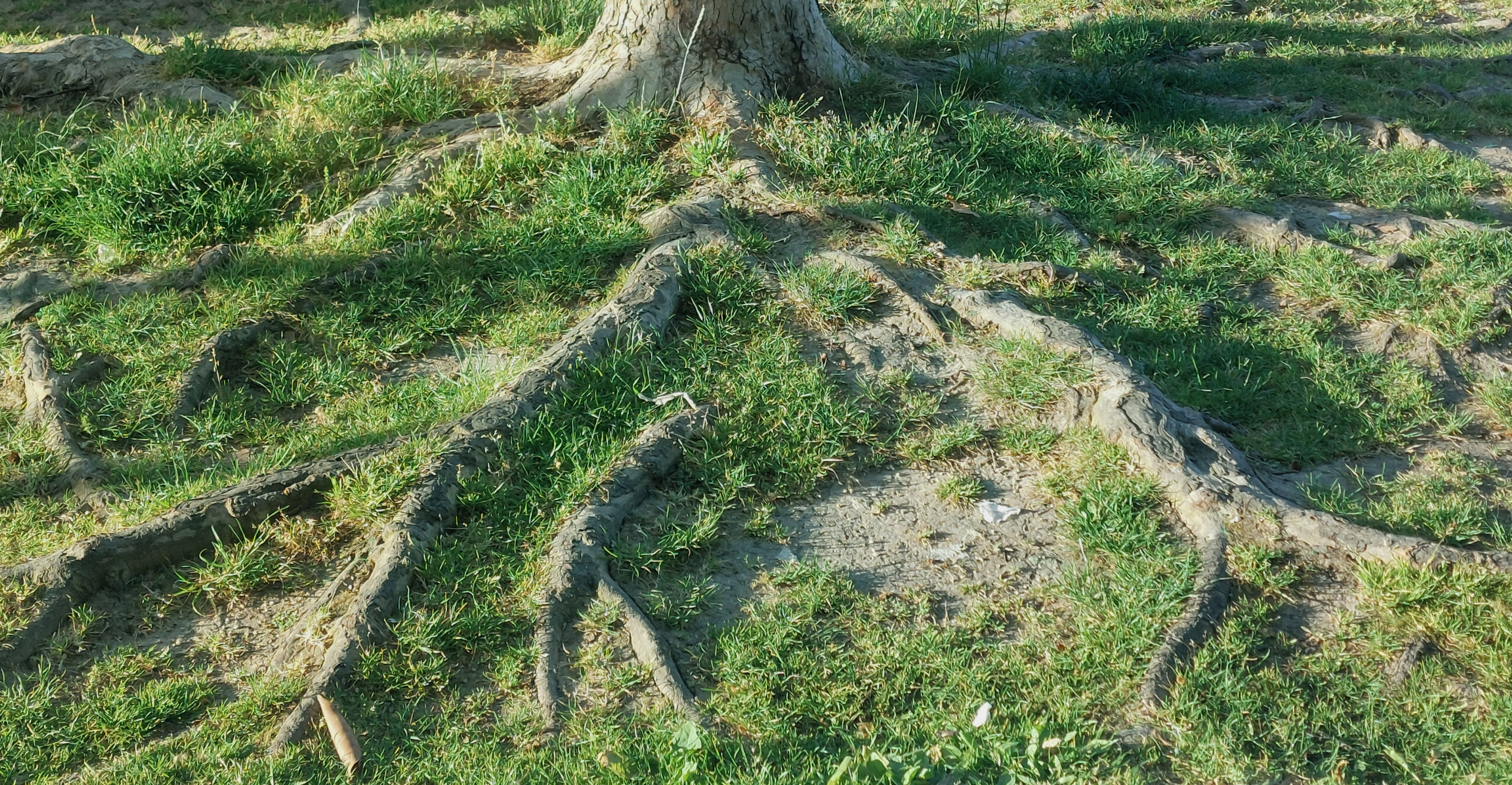
Healthy roots need water, oxygen, and room to grow. Compacted soil, construction activity, changes in grading, damaged roots, or excessive mulch against the trunk can interfere with root health. Because roots support the entire tree, root problems often show up first in the canopy. A tree may have smaller leaves, thin foliage, early color, or dieback at the ends of branches.
Insects and Disease
Some insects and diseases can cause leaves to discolor or drop before the normal fall season. Leaf spots, chewed foliage, sticky residue, visible insects, or discolored areas that do not resemble normal fall color may point to a pest or disease issue. Not every spotted or yellow leaf means a tree is seriously declining. Weather conditions, species, and the time of year all matter. Still, repeated early leaf loss or noticeable changes from one season to the next are worth checking.
Damage to the Trunk or Branches
Storm damage, lawn equipment injuries, cracked limbs, and bark damage can affect how well a tree moves water and nutrients. A stressed branch may change color before the rest of the tree, or one section of the canopy may begin thinning. If only one major limb turns color early, dies back, or loses leaves, the issue may be limited to that part of the tree. A closer inspection can help determine whether pruning or another service is needed.
Signs Early Color Change May Be More Than Seasonal
Look beyond leaf color when deciding whether to be concerned. A healthy tree entering fall normally should still have a reasonably full canopy and sound branch structure.
Consider scheduling an evaluation if you notice:
- Leaves changing color and dropping much earlier than nearby trees of the same type
- Brown, curled, spotted, or distorted leaves
- A thinning canopy or branches that did not leaf out well
- Dead limbs, broken branches, or visible decay
- New sprouts growing from the trunk or base of the tree
- Bark cracks, peeling bark, or holes from insect activity
- Soil heaving, exposed roots, or a new lean after a storm
These symptoms do not always mean removal is necessary. Many tree concerns can be managed when they are identified early. The right next step depends on the tree species, the cause of the stress, and the condition of the trunk, roots, and branches.
What Property Owners Can Do
Property owners can help reduce stress on trees by paying attention to basic growing conditions.
During dry weather, water slowly and deeply around the root zone rather than applying a light, frequent spray near the trunk. A layer of mulch can help retain soil moisture and moderate soil temperature, but keep mulch several inches away from the trunk to avoid holding excess moisture against the bark.
Avoid piling soil, rocks, or mulch over the root area. Limit unnecessary digging and vehicle traffic beneath the canopy, where many important roots grow close to the surface.
It is also helpful to watch for patterns. Make note of whether a tree turns color early every year or whether the change is new. Photos taken during different seasons can make canopy thinning, leaf loss, and branch decline easier to spot over time.
When to Call a Professional
A professional inspection is a good idea when early color change appears alongside rapid leaf drop, thinning foliage, dead branches, leaf spotting, insect activity, or signs of root and trunk damage.
An evaluation can help determine whether the tree is following its normal seasonal pattern or responding to a problem such as drought stress, disease, pests, or structural damage. Early assessment gives property owners more time to consider appropriate care before a minor concern becomes more serious.
Early fall color is often part of a tree’s normal seasonal transition. But when it appears unusually early or comes with leaf loss, canopy thinning, dead limbs, or other visible changes, it may be a sign that the tree is under stress. If you are unsure why a tree on your property is changing color early, contact Ray’s Tree Service for a free evaluation. Our team can assess the tree’s condition and help you understand the best next step for your property.