How to Tell If a Tree Needs to Be Removed: 6 Warning Signs
Not every damaged or unhealthy tree needs to come down. Pruning, pest management, disease treatment, or other professional tree care may help when a problem is caught early. However, removal may become the safest option when a tree has severe structural damage, extensive decay, major root problems, or advanced decline.
Knowing how to tell if a tree needs to be removed can help property owners recognize when an evaluation is needed. Because tree problems are not always obvious from the ground, a professional evaluation is often the best way to determine whether a tree can be preserved or should be removed.
Signs a Tree May Need Removal
Dead or Falling Branches
A few small dead branches do not necessarily mean the entire tree is failing. Trees develop deadwood for many reasons, and proper pruning can often address isolated problems.
However, large dead limbs, widespread branch dieback, or sections of the canopy that no longer produce leaves can point to a more serious problem. Strong winds, storms, and ice can cause weakened branches to break and fall.
When dieback affects a large portion of the tree, an inspection can help identify the cause and determine whether the tree can remain safely in place.
Hollow or Decaying Trunk
A cavity or hollow area does not automatically mean you need to remove a tree. Some trees continue to grow despite internal decay. The amount and location of healthy wood that remains play an important role in the tree’s stability.
Look for large cavities, soft or crumbling wood, open wounds, cracks, or sections of loose bark. Fungal growth around the trunk or base also deserves attention because some fungi grow where wood or roots have begun to decay.
Since you cannot always see how far decay extends inside a tree, a professional can evaluate the affected area and determine how much the damage has weakened the tree.
Significant Leaning
Some trees naturally grow at an angle and stay stable for decades. A tree that has always leaned may not present an immediate concern.
A tree that suddenly starts leaning tells a different story. Strong winds, saturated soil, or root damage can cause a tree to shift. Look for cracked or raised soil around the base, exposed roots, or noticeable changes in the ground near the trunk.
Take a new or worsening lean seriously, especially when the tree could fall toward a home, driveway, sidewalk, road, or other area where people spend time.
Root Damage
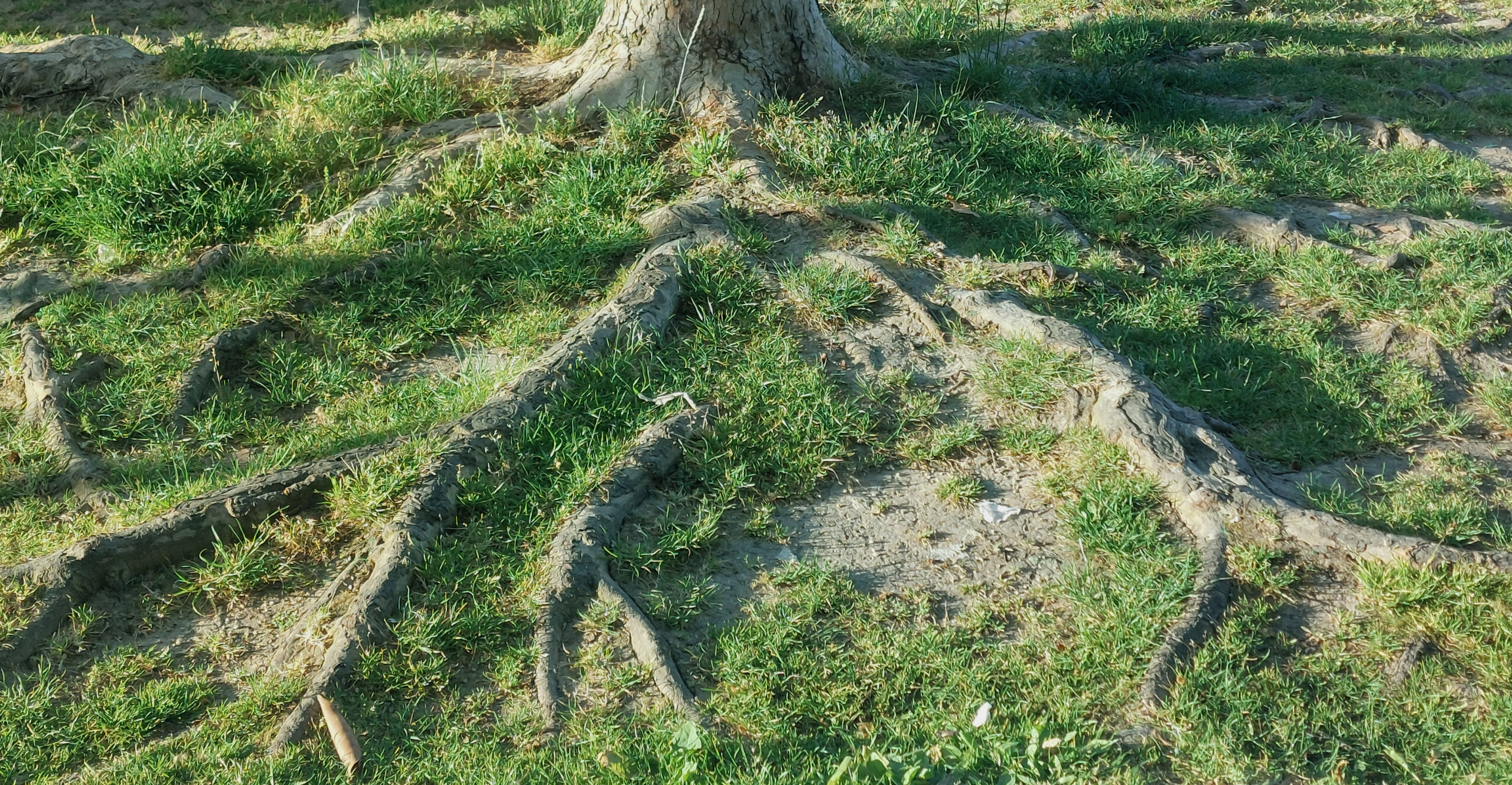
A tree depends on its roots for stability, water, and nutrients. Damage to major roots can weaken the tree and affect its ability to support itself.
Construction, excavation, trenching, erosion, changes in soil grade, and severe soil compaction can all damage tree roots. Because much of the root system remains underground, the tree may not show obvious symptoms right away.
Watch for canopy thinning, branch dieback, reduced growth, exposed or damaged roots, or changes in the tree’s stability. If construction or excavation has disturbed the ground around a mature tree, consider having the tree inspected even if the canopy still looks healthy.
Disease or Insect Infestation
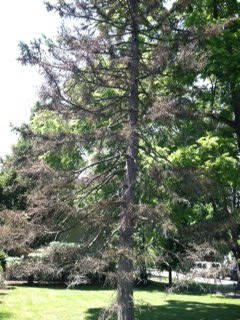
Many tree diseases and insect problems respond to proper management, especially when you catch them early. Leaf spots, discolored foliage, or visible insects alone do not mean a tree needs removal.
Problems become more concerning when disease or pests cause extensive decline or weaken important parts of the tree. Widespread canopy thinning, large areas of dead branches, significant bark damage, extensive decay, or continued decline can all signal a more advanced problem.
Different tree problems can also cause similar symptoms. Before deciding to remove a tree, have a professional identify the cause and determine whether treatment remains a practical option.
Storm Damage
Strong winds, lightning, heavy rain, and ice can cause significant tree damage throughout St. Louis County. Some trees recover well after proper pruning and care. Others suffer damage that permanently weakens their structure.
Look for split trunks, broken leaders, shifting roots, large hanging limbs, or major canopy loss after severe weather. Also consider where the damaged tree stands. A weakened tree next to a house, driveway, sidewalk, parking area, or other frequently used space requires more immediate attention.
After a major storm, have serious damage evaluated before attempting cleanup around the tree.
Does a Damaged Tree Always Have to Be Removed?
No. Tree removal should not be the automatic response to every crack, dead branch, cavity, pest, or disease symptom.
Depending on the tree and the extent of the problem, appropriate options may include pruning damaged branches, treating certain pest or disease issues, correcting some maintenance problems, or monitoring the tree for changes.
The decision depends on several factors, including the tree’s overall health, species, location, structural condition, amount of damage, and what could be affected if part or all of the tree failed.
When those factors cannot be evaluated safely from the ground, an in-person inspection is the better approach.
Why You Should Not Ignore a Potentially Hazardous Tree
A tree with serious structural problems may become more likely to lose branches or fail during severe weather. Falling limbs or trees can damage roofs, vehicles, fences, landscaping, utility lines, and other property.
Waiting can also allow decay or decline to progress. In some cases, a tree that could have been managed earlier may eventually have fewer treatment or preservation options.
This does not mean every questionable tree requires immediate removal. It means significant warning signs deserve attention before the condition changes.
Can You Tell Whether a Tree Is Dangerous From the Ground?
You can spot many warning signs from a safe distance, but a visual check by a property owner has limitations.
Some defects are hidden inside the trunk, high in the canopy, below the soil, or within the root system. A tree can also have multiple problems at the same time. For example, a lean alone may not be alarming, but a new lean combined with lifted soil and storm damage deserves closer attention.
A professional tree inspection considers the tree as a whole rather than relying on one symptom.
When to Call a Professional
Consider scheduling a professional tree inspection when you notice:
- A tree that suddenly begins leaning
- Large dead, broken, or hanging branches
- Major cracks or splits in the trunk
- Significant cavities or visible decay
- Root damage following construction or excavation
- Widespread canopy decline
- Severe insect or disease damage
- Major damage following a storm
Professional evaluation is especially important when a questionable tree is close to a home, business, driveway, sidewalk, road, parking area, utility line, or another place where people regularly spend time.
Making the Right Decision About Tree Removal
The goal is not to remove every imperfect tree. Many tree problems can be managed when they are identified early and the tree remains structurally sound. Removal becomes appropriate when damage, decay, decline, or instability makes preserving the tree impractical or creates an unacceptable risk.
Paying attention to changes in your trees, and having concerning conditions evaluated, can help you make a more informed decision about pruning, treatment, monitoring, or removal.
Contact Ray’s Tree Service for a Tree Evaluation
If you are concerned about a dead, damaged, leaning, diseased, or storm-damaged tree, contact Ray’s Tree Service for a professional evaluation. Our team can evaluate the condition of the tree and discuss the appropriate next steps for your property.