One of the most common questions homeowners ask is, “When is the best time to trim trees?” The answer depends on the tree species, its condition, and your goals. Properly timed tree trimming supports healthy growth, reduces the risk of storm damage, and helps maintain a safe, attractive landscape.
In the St. Louis area, changing seasons, weather patterns, and local tree species all play a role in determining the right time to prune. Understanding when to trim, and when to wait, can help protect your investment and avoid unnecessary stress on your trees.
When Is the Best Time to Trim Trees?
For many tree species, the best time to trim trees is during late winter or early spring while they are dormant. Dormant pruning allows arborists to see the tree’s structure more clearly, reduces exposure to many insects and diseases, and encourages healthy new growth once spring arrives. However, dead, damaged, or hazardous branches should be removed whenever they are discovered.
Why Timing Matters for Tree Trimming
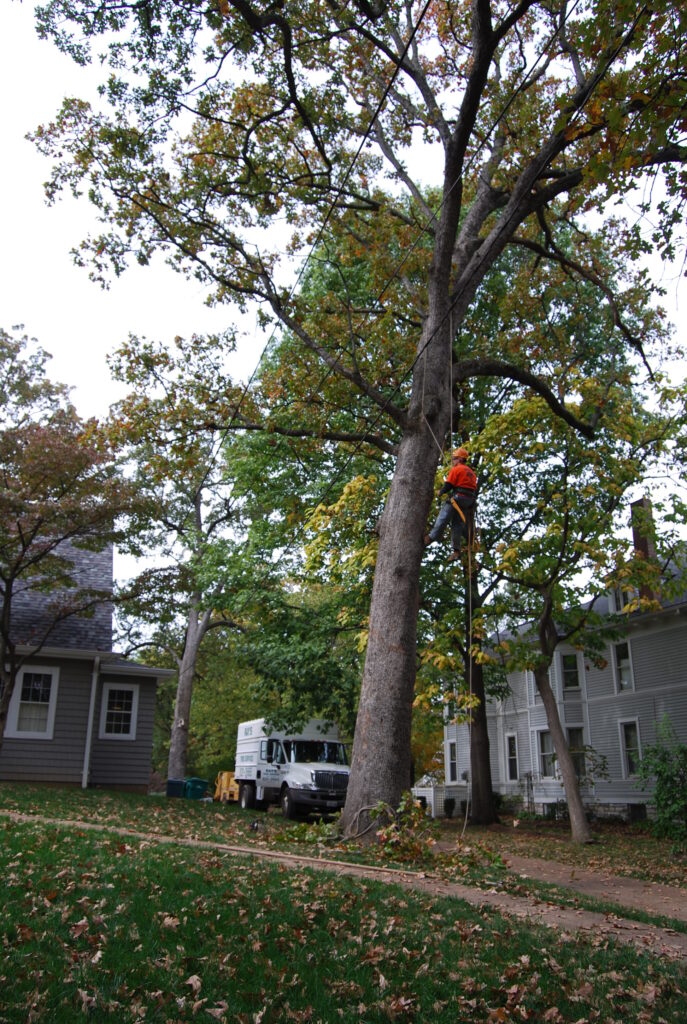
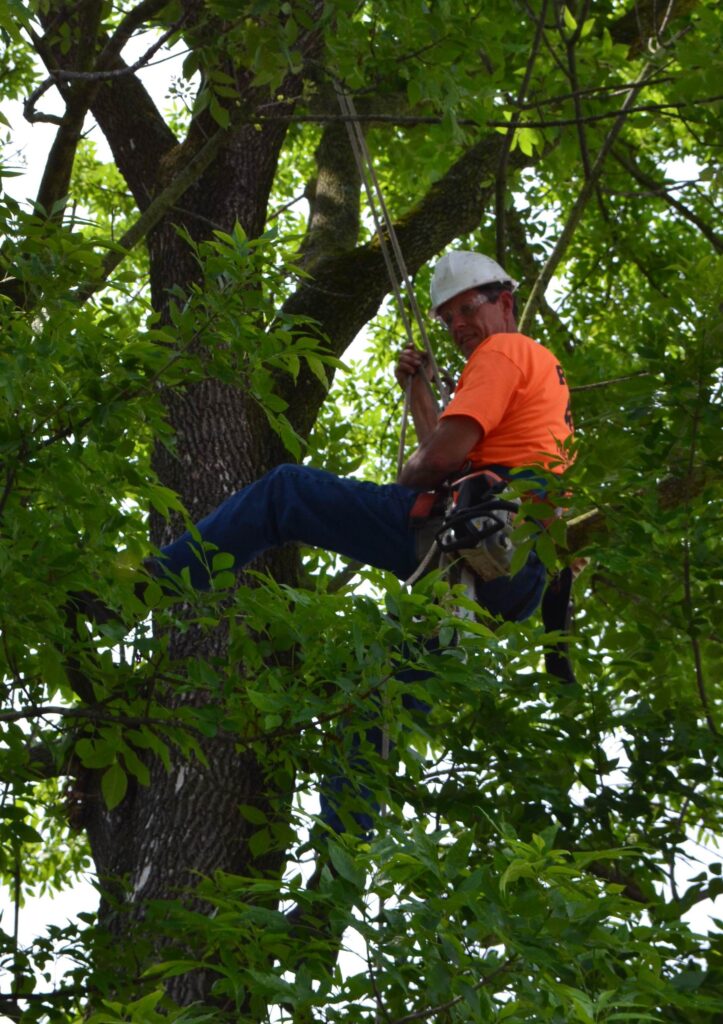
Tree trimming is more than improving appearance. Proper pruning helps remove weak or damaged branches, encourages healthy growth, and reduces the chance of branch failure during storms.
Pruning at the wrong time can increase stress on a tree or make it more vulnerable to certain diseases or pests. Because every tree responds differently, timing should be based on the species, its condition, and the reason for pruning.
Why Late Winter Is Often the Best Time to Trim Trees
For many hardwood trees, late winter through early spring is considered the ideal pruning season.
Benefits of dormant-season pruning include:
- Trees are not actively growing, which reduces stress.
- Branch structure is easier to inspect without leaves.
- Many insects and disease-causing organisms are less active.
- Healthy spring growth is encouraged after pruning.
- Structural issues can be corrected before the growing season begins.
Dormant pruning also allows arborists to identify crossing branches, weak attachments, and other structural concerns that may be hidden during the growing season.
When Summer Tree Pruning Makes Sense
Although winter is often preferred, there are situations where trimming during the growing season is the safest choice.
Summer pruning may be recommended when:
Dead or Broken Limbs Are Present
Dead branches can fall without warning and should be removed promptly to reduce the risk of injury or property damage.
Storm Damage Has Occurred
Strong winds, heavy rain, or lightning can leave trees with cracked, hanging, or partially broken branches. Waiting until winter may allow the damage to worsen.
Branches Are Creating Safety Hazards
Trees that interfere with buildings, sidewalks, roadways, or utility lines may require immediate attention regardless of the season.
Clearance Is Needed
Low-hanging branches that obstruct driveways, sidewalks, signs, or visibility can often be pruned safely during the growing season.
When to Call a Professional
Knowing the best time to trim trees helps protect their health while improving the safety and appearance of your property. Although late winter is often the ideal season for many trees, hazardous branches and storm damage should be addressed as soon as they are identified. Because every tree is different, professional guidance can help ensure pruning is performed at the right time and in the right way.
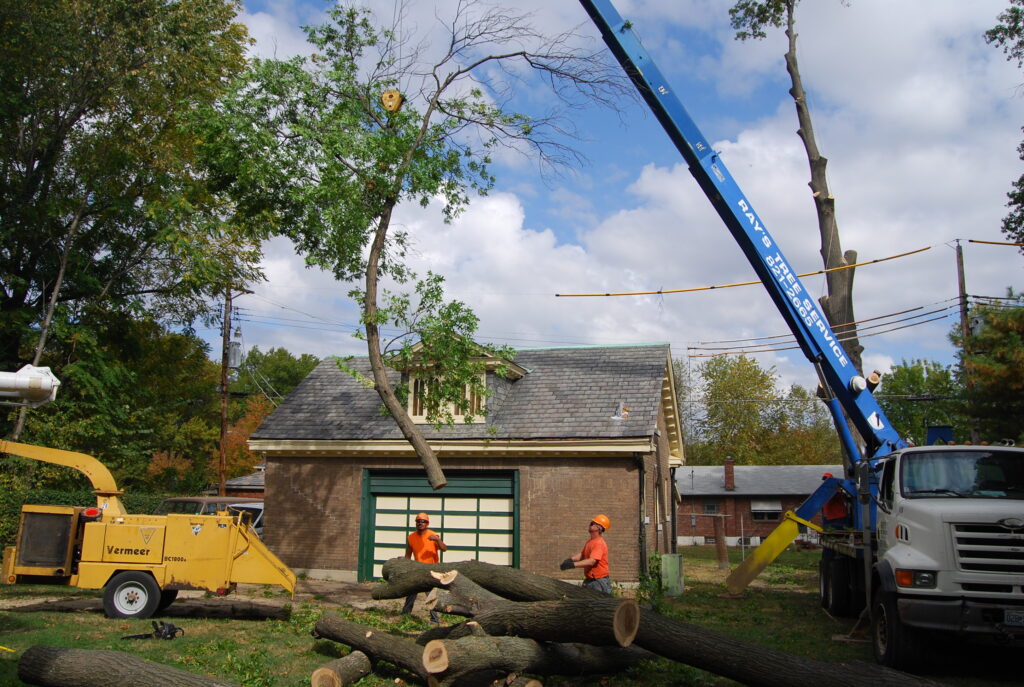
Whether you need routine pruning, storm damage cleanup, or an expert evaluation, Ray’s Tree Service provides professional tree trimming services. Contact our team today to schedule a free evaluation!